
APPLICATIONS · PROJECT GUIDANCE
Every surface has different demands.
Explore tile adhesive, grout and installation considerations for homes, commercial buildings, wet areas, pools, exterior facades and large-format tiles.
APPLICATION 01
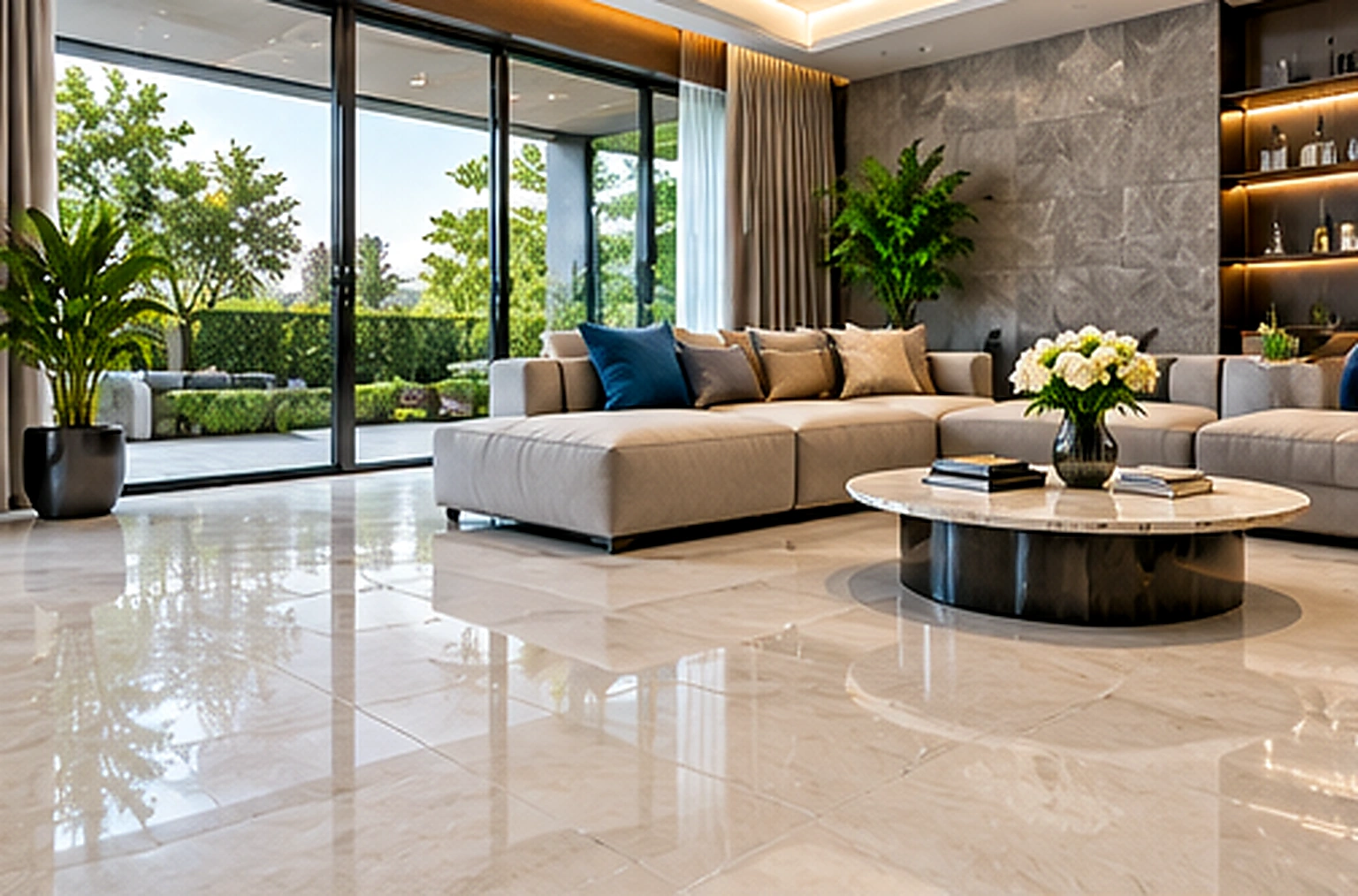
Residential floors & walls
Comfortable, durable spaces start with the substrate.
For homes, kitchens, living rooms and bedrooms, tile installation planning should begin with substrate condition, tile format, surface flatness and intended traffic. Choosing a tile adhesive only by its type number overlooks critical project variables.
- Inspect cement screed or plaster for soundness and curing
- Select adhesive for tile porosity, format and substrate
- Plan movement joints at transitions and perimeters
- Confirm open time and grout readiness in current TDS
APPLICATION 02
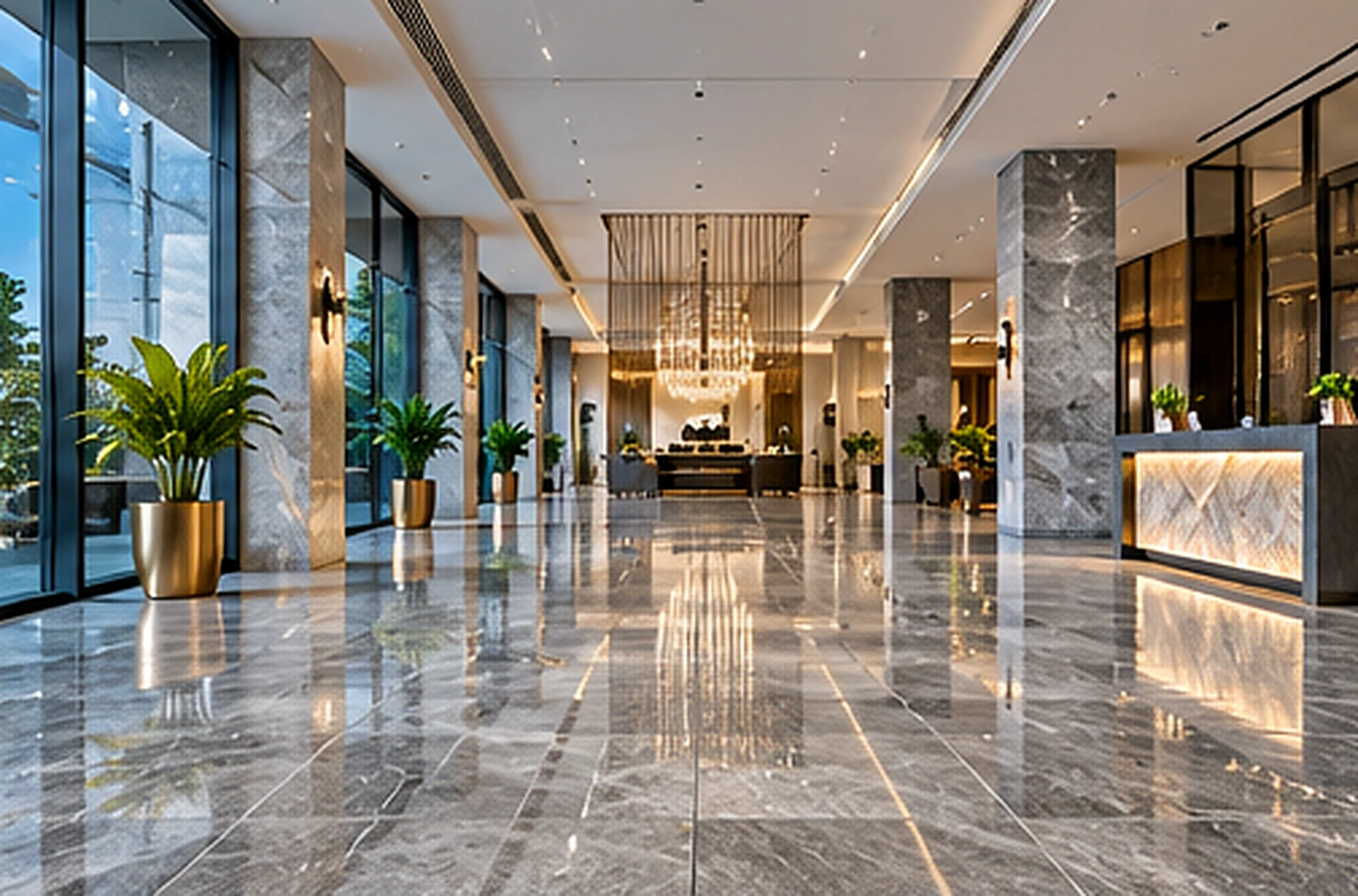
Commercial & high-traffic floors
Installation planning for demanding daily use.
Retail areas, workplaces, hospitality spaces and other commercial floors may face rolling loads, frequent cleaning and demanding service conditions. Specify an installation assembly rather than selecting adhesive in isolation.
- Review traffic and concentrated loads with the project engineer
- Assess substrate movement and deflection
- Check coverage, bedding and tile format
- Document cleaning and maintenance requirements
APPLICATION 03
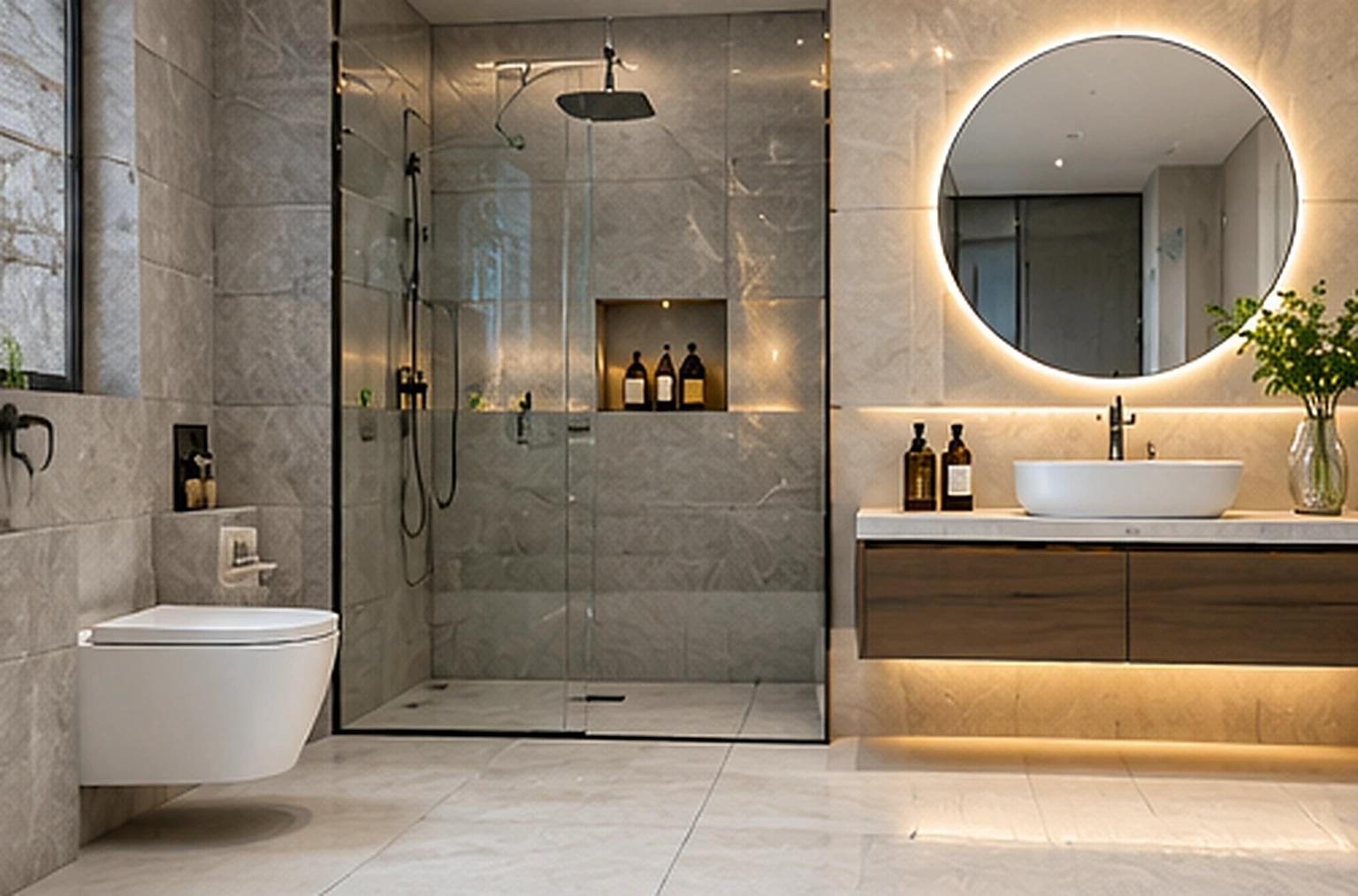
Bathrooms & wet areas
Water management is a system, not a grout claim.
Showers, washrooms and utility spaces require compatible waterproofing, correctly prepared surfaces, suitable adhesives and joints. Tile grout alone does not replace a waterproofing membrane.
- Confirm waterproofing and drainage design
- Check compatibility between membrane and adhesive
- Detail corners, penetrations and movement joints
- Select grout for the exposure and cleaning regime
APPLICATION 04
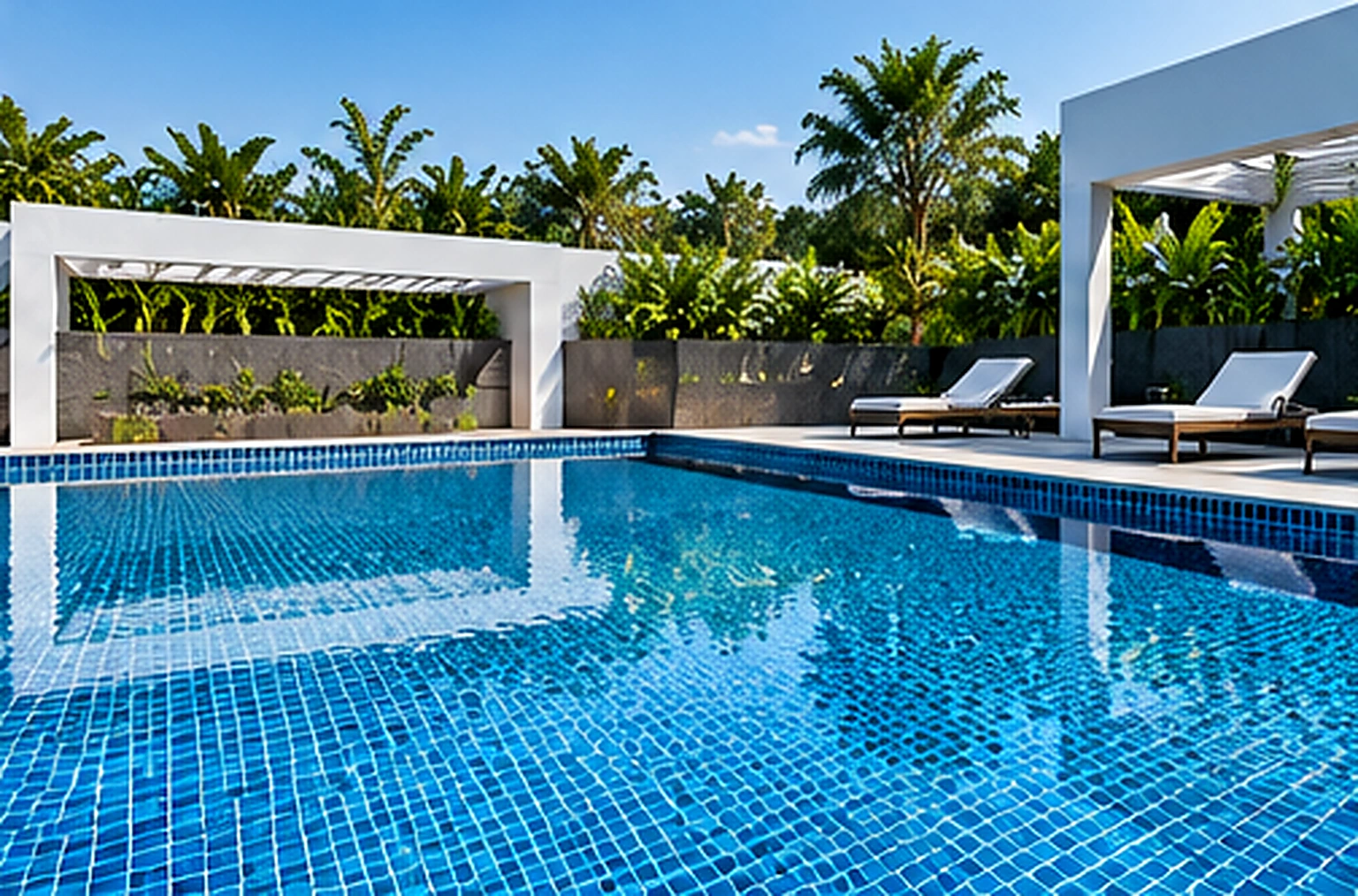
Swimming pools & water features
Continuous immersion needs documented compatibility.
Immersed installations have specialised requirements. Do not assume that a general tile adhesive or epoxy grout is approved for swimming pools. Obtain product-specific immersion, substrate and chemical-resistance guidance before specifying.
- Require explicit approval for permanent immersion
- Review pool-shell waterproofing and movement joints
- Confirm tile, adhesive and grout chemical compatibility
- Follow commissioning and filling intervals in approved documents
APPLICATION 05
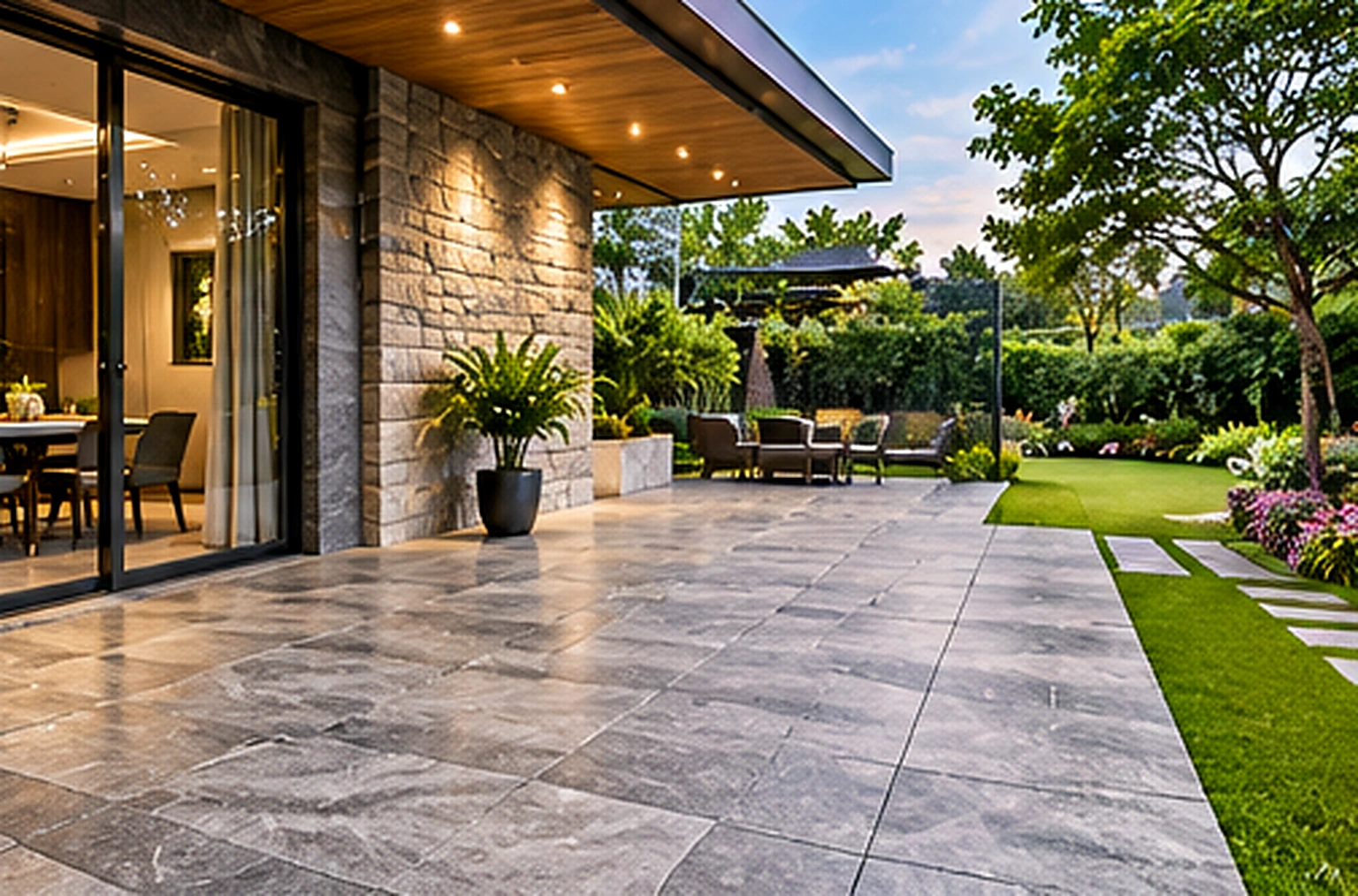
Exterior facades & balconies
Design for weather, temperature and movement.
Exterior tiling can be exposed to solar heating, rain, temperature cycles and movement. Product selection must consider tile dimensions, substrate design, wind and other project-specific risks.
- Check structural and substrate suitability
- Review thermal movement and joint placement
- Verify exterior classification and tile-format limits
- Use project-specific installation and safety details
APPLICATION 06
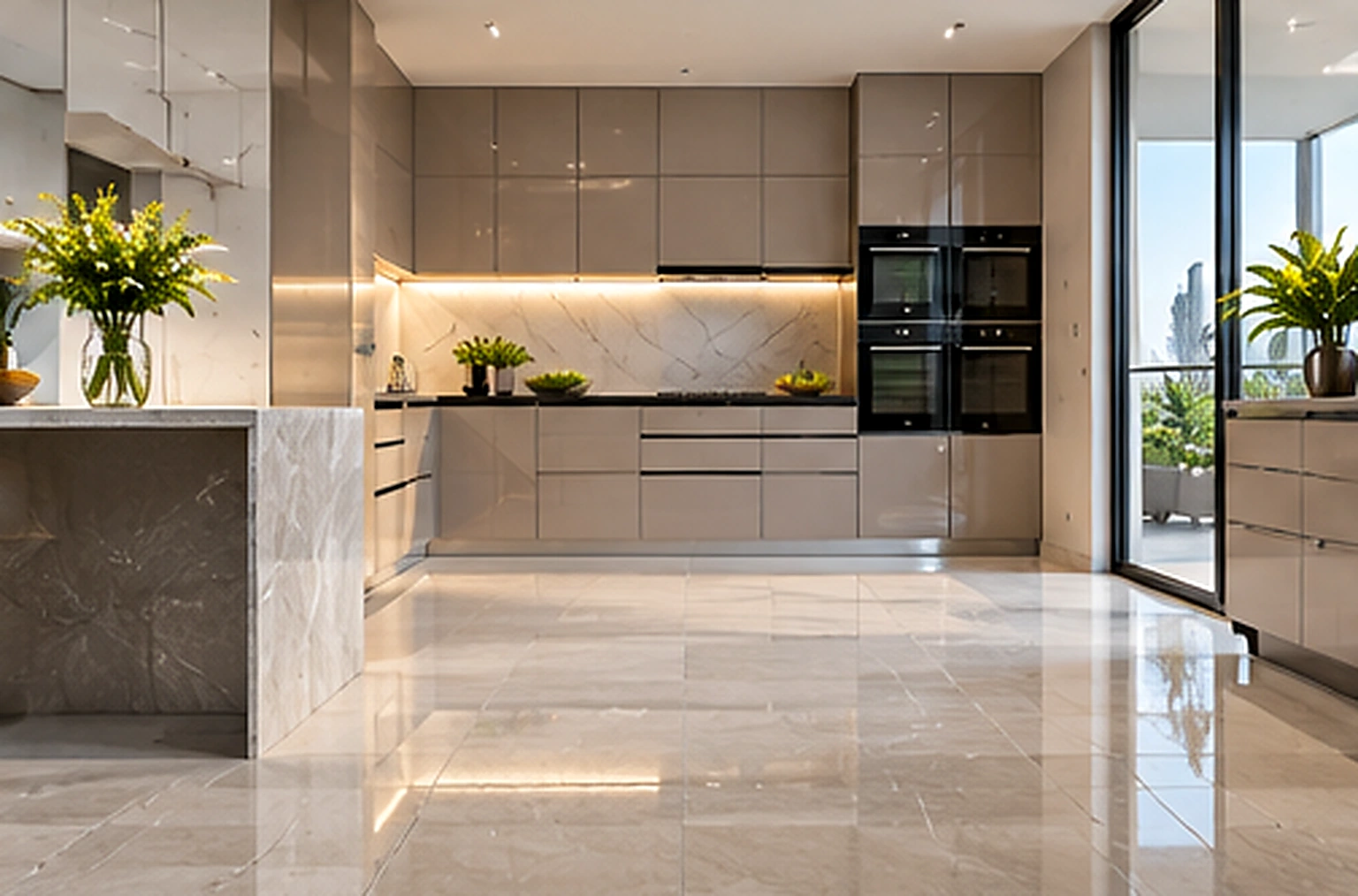
Large-format & vitrified tiles
Coverage and flatness matter.
Large-format porcelain and vitrified tiles demand careful substrate flatness, appropriate trowel selection, correct bedding and coverage verification. An adhesive classification does not on its own establish suitability for every tile size.
- Check substrate flatness and tile warpage
- Verify adhesive compatibility with low-porosity tile
- Use the approved application and back-buttering method
- Lift sample tiles to verify required coverage
Installation decisions should be documented.
Images and examples explain application categories; they do not certify any specific BCM product for a project. Obtain the latest TDS and approval for the proposed use.
Request technical guidance ↗